DEET vs Picaridin: What Hunters Should Know
When it comes to bug protection in the field, hunters have long relied on whatever keeps mosquitoes and ticks away the longest. For years, that usually meant DEET. But today, more hunters are rethinking what they spray on their skin, their gear, and around their firearms. Enter picaridin, a modern alternative that offers serious protection without many of the drawbacks hunters dislike.
Understanding the difference between DEET and picaridin can help you choose a repellent that works with your hunt, not against it.
What Is DEET?
DEET has been used for decades and is effective against mosquitoes, ticks, and other biting insects. While it works, many hunters are familiar with its downsides. DEET often has a strong chemical odor, can feel greasy on the skin, and may damage plastics, rubber, and certain finishes. For hunters focused on scent control, that lingering smell can be a concern in the blind or tree stand.
DEET can also be harsh on skin, especially when applied repeatedly during long days outdoors.
What Is Picaridin?
Picaridin is a newer, science-backed insect repellent ingredient that offers comparable protection to DEET without the heavy feel or strong smell. Originally developed for use by the military, picaridin is now widely recommended for outdoor use, especially where comfort and gear safety matter.
Picaridin is odorless, dries clean, and does not damage firearms, optics, synthetic clothing, or plastic gear. That makes it especially appealing to hunters who want protection without compromising their setup.
Key Differences Hunters Should Know
For hunters, performance is only part of the equation. How a repellent feels, smells, and interacts with gear matters just as much.
DEET tends to leave a slick residue that can collect dirt and debris. Picaridin dries quickly and leaves skin feeling clean. DEET has a noticeable chemical scent, while picaridin is scent-free, making it better suited for scent-conscious hunts. DEET can degrade plastics and finishes, while picaridin is safe to use around firearms, bows, and hunting equipment.
Both ingredients are effective against mosquitoes and ticks, but picaridin delivers that protection with far fewer compromises.
Why More Hunters Are Choosing Picaridin
Late-season hunts, early mornings, and long sits demand comfort. Hunters want to focus on the wind, the movement, and the moment, not on reapplying sticky bug spray or worrying about gear damage.
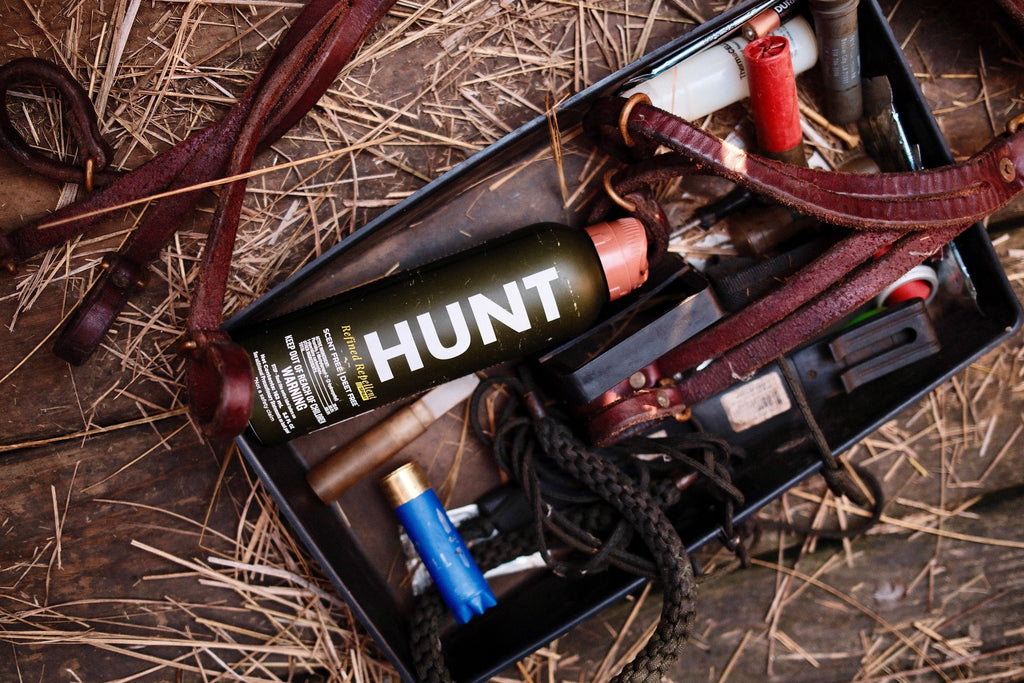
That is why many are turning to picaridin-based repellents like HUNT Refined Repellent. HUNT is DEET-free and scent-free, offering long-lasting protection without leaving a chemical cloud behind. It keeps bugs away without spooking game or interfering with your gear.
Bug Protection That Fits the Hunt
Choosing the right insect repellent is part of preparing for a successful hunt. While DEET still has its place, picaridin offers hunters a cleaner, quieter option that aligns with modern hunting practices.
If you are looking for reliable bug protection that will not smell, smear, or sabotage your setup, picaridin-based repellents like HUNT are worth carrying in your pack.
Because when you are in the field, the only thing that should get your attention is what is moving through the woods, not what is buzzing around you.