West Nile Virus 2026: Peak Season Is 6 Weeks Away — Are You Protected?
West Nile Virus 2026: Peak Season is 6 Weeks Away - Are You Protected?
Last year, West Nile virus cases surged 41%. Positive mosquito pools are already confirmed in Louisiana and Texas. Peak season hits in August — every year. Here's what you need to know, and what to do about it now.
Every summer, the same thing happens. Mosquitoes show up, people swat them away, and West Nile virus quietly does its worst work. Most people brush it off as a risk that happens to someone else. But the numbers from 2025 tell a different story — and 2026 is already trending in the wrong direction.
West Nile virus is not going away. It is getting worse. And if you spend serious time outdoors — hunting bottomlands, running trout lines, guiding fishing trips in the marsh — you are in the highest-exposure category every single time you step outside.
Peak season is six weeks out. This is what you need to know.
What Is West Nile Virus — and Why Is It So Dangerous?
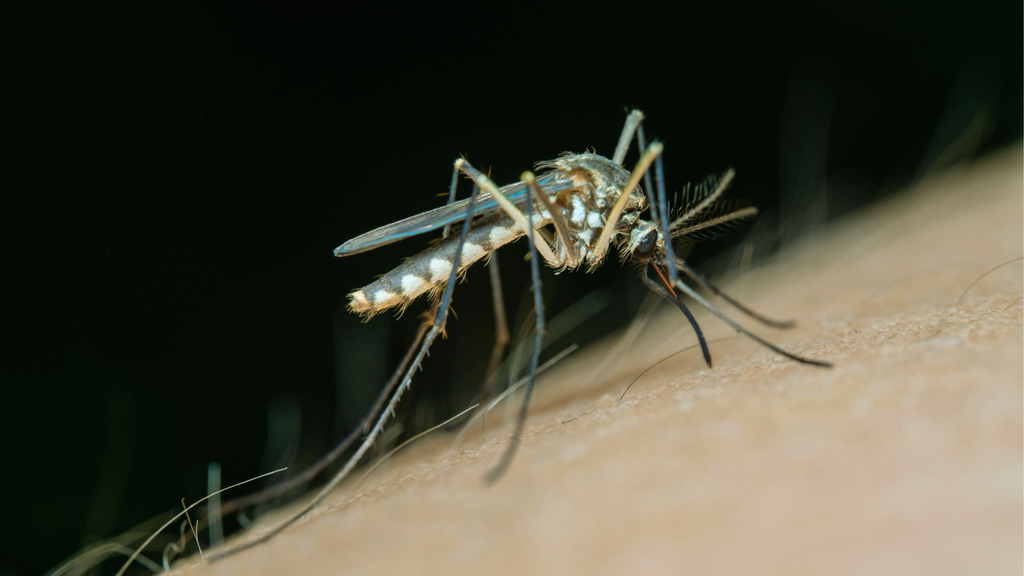
West Nile virus is a mosquito-borne illness transmitted when an infected mosquito bites a human host. It was first detected in the United States in New York in 1999 and has since spread to all 48 contiguous states. It is currently the leading cause of mosquito-borne disease in the country.
Here is what makes it different from a typical mosquito bite: most people — about 80% — show no symptoms at all. That sounds reassuring until you understand what happens to the other 20%.
Severe West Nile virus infection causes:
- Encephalitis — inflammation of the brain that can result in permanent neurological damage or death
- Meningitis — dangerous swelling of the lining around the brain and spinal cord
- Acute flaccid myelitis — sudden muscle weakness or full paralysis, often with little or no recovery
- Long-term cognitive effects — fatigue, memory problems, and neurological symptoms that can last months or years
There is no vaccine for West Nile virus. There is no antiviral treatment. Once infected, your immune system is entirely on its own.
People over 50, those with underlying health conditions, and anyone with repeated outdoor exposure face significantly elevated risk. If you are the kind of person who lives outside from May through October, you are not in the average risk category.
West Nile Virus Cases Are Getting Worse Every Year
West Nile virus has been present in the United States for over two decades, but the trend line is moving in the wrong direction.
The historical benchmarks: 2003 saw the most cases ever recorded at 9,862, and 2012 produced the highest death toll at 286. Those years became the standard for how bad a West Nile outbreak could get.
Then came 2025. Last year produced a 41% increase in severe cases and 32% more deaths compared to a typical year. Colorado — the hardest-hit state — recorded 286 cases and 20 deaths on its own. Nationally, nearly 2,000 cases were reported, and that only counts the ones severe enough to be documented.
The reason for the trend is the same factor driving increases in tick-borne diseases like Lyme disease, anaplasmosis, and babesiosis: climate-driven changes to temperature and habitat. Warmer winters mean more mosquitoes and ticks survive into spring. Longer summers extend the transmission season on both ends. Research projecting a 2°C increase in average temperatures estimates Lyme disease cases alone will rise by more than 20% in coming decades.
West Nile and tick-borne diseases are not related to each other — but they are rising in parallel for exactly the same reason. This is not a bad year. It is the new normal.
The 2026 West Nile Virus Season Is Already Starting Early
Before summer has reached full stride, 2026 is already showing warning signs.
Positive mosquito pools have been confirmed in Louisiana, Texas, and several California counties — earlier than typical for this point in the season. New Orleans and surrounding parishes saw aerial mosquito spraying operations begin in early June, which is aggressive and early by any historical standard.
West Nile follows a predictable escalation window every single year:
- June — Infected mosquito pools begin testing positive. The season starts quietly.
- July — Case counts accelerate sharply. Heat plays a key role: at temperatures above 86°F, the virus's incubation period inside a mosquito drops from two weeks down to as few as four days. More infected mosquitoes, faster.
- August — Peak month. West Nile has recorded its highest case counts in August in 19 of the last 24 years on record.
- September — Transmission begins to slow as temperatures fall and mosquito populations thin out.
You are currently in the early acceleration phase. Six weeks from now, you are at peak risk.
Why Most Repellents Are Not Enough — and What to Use Instead
Most people who use repellent reach for DEET out of habit. It has been the default for decades, and it works — but it comes with tradeoffs that matter if you spend serious time in the field.
DEET is greasy. It smells. It degrades plastics, synthetic fabrics, and fishing line. It raises legitimate safety concerns for children and with prolonged daily use. For a weekend camper, that might be acceptable. For a hunter or angler who is outside for long days across an entire season, those are real problems.
Picaridin is the upgrade most people do not know exists.
Recommended by both the CDC and the World Health Organization, Picaridin delivers equal or better protection against mosquitoes and ticks compared to DEET — with none of the drawbacks. It is odorless. It dries clean. It is safe for gear, optics, and fishing line. It is approved for children as young as two months old. At the right concentration, it provides up to 12 hours of protection per application.
HUNT Refined Repellent is built entirely on Picaridin. No DEET. No compromise. Available in spray, lotion, and wipes — formulated for the kind of exposure serious outdoorsmen actually face, from pre-dawn duck blinds to midday fishing guides to full-day hunting trips.
If your repellent is still DEET-based, this is the season to upgrade.
Don't Wait Until August to Think About This
The outdoor community does not wait until opening day to sight in a rifle. Do not wait until peak West Nile season to think about protection.
No vaccine. No treatment. Repellent is your only line of defense — and with 2026 already starting early and 2025's numbers fresh in the record books, the time to act is right now.
Shop HUNT Refined Repellent at huntrepellent.com — spray, lotion, and wipes available now.
Frequently Asked Questions About West Nile Virus
What are the symptoms of West Nile virus? Most people infected with West Nile virus — about 80% — show no symptoms. Those who do may experience fever, headache, body aches, joint pain, vomiting, or a skin rash. Severe cases involve brain inflammation, meningitis, paralysis, and can be fatal. Symptoms typically appear 2 to 14 days after a bite from an infected mosquito.
When is West Nile virus season in the United States? West Nile virus transmission season runs from June through September in most of the United States, with August historically being the peak month. In the Gulf South — including Louisiana and Texas — the season can begin earlier and run later due to warmer temperatures.
Is there a vaccine or treatment for West Nile virus? No. There is currently no approved vaccine for West Nile virus in humans, and no specific antiviral treatment exists. Medical care for severe cases focuses on managing symptoms. Prevention through mosquito repellent and avoiding exposure is the only reliable defense.
What is the best mosquito repellent for West Nile virus protection? The CDC recommends EPA-registered repellents containing Picaridin, DEET, IR3535, or oil of lemon eucalyptus. Picaridin is increasingly the preferred choice for outdoor enthusiasts — it offers comparable or superior protection to DEET without the greasy feel, chemical odor, or gear damage. HUNT Refined Repellent uses Picaridin as its active ingredient and is formulated for extended outdoor use.
Is Picaridin safer than DEET? Picaridin is considered safe and effective by the CDC and WHO and has an excellent safety profile for adults, children two months and older, and pregnant women. Unlike DEET, it does not degrade plastics, synthetic fabrics, or gear coatings, making it the practical choice for hunters, anglers, and outdoor professionals.
Why is West Nile virus getting worse? Rising temperatures and changing climate conditions are extending mosquito seasons, expanding mosquito habitat, and increasing overwinter survival rates. These same factors are driving increases in tick-borne diseases like Lyme disease. West Nile virus cases have trended upward in recent years, with 2025 producing 41% more severe cases than a typical year.
HUNT Refined Repellent is a DEET-free, Picaridin-based insect repellent made for serious outdoorsmen. Available at huntrepellent.com.
Tags: West Nile virus 2026, West Nile virus symptoms, mosquito season 2026, best insect repellent for hunters, Picaridin vs DEET, DEET-free repellent, mosquito repellent for outdoors, tick and mosquito disease prevention, insect repellent for fishing, outdoor protection Gulf South
-
Posted in
Best Insect Repellent, bugspray, Deet Free, EPA approved, Mosquito control, Mosquito Repellent, Tick and Mosquito, Virus, West Nile