Why Ticks Are Still a Problem After the First Freeze

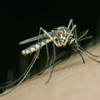
Many hunters and outdoor enthusiasts believe ticks disappear once cold weather arrives. The truth is that ticks remain a problem well after the first freeze, especially in southern and mild winter climates. Understanding why ticks stay active in cold weather helps hunters stay protected during late season hunts, winter scouting, and outdoor work.
Why Cold Weather Does Not Kill Ticks
Ticks are highly resilient pests. When temperatures drop, they do not die off immediately. Instead, they move into insulated environments such as leaf litter, tall grass, brush piles, and wooded areas. These ground level habitats retain warmth and protect ticks from freezing air temperatures.
When daytime temperatures rise above freezing, even briefly, ticks can become active again. This on and off activity is common throughout fall and winter, particularly in areas with inconsistent cold weather.
Why Ticks Are Common During Late Season Hunting
Late season hunting places people directly in prime tick habitat. Walking through brush, setting up near field edges, and sitting in wooded areas increases exposure. Heavy clothing and layered gear can also make it easier for ticks to go unnoticed until after a hunt.
Winter scouting and postseason land management add to the risk. Even without active hunts, spending time outdoors still creates opportunities for tick encounters.
Southern Winters and Tick Activity
In southern states, winter rarely brings long stretches of sustained freezing temperatures. A single freeze followed by warmer days allows ticks to survive and remain a year round concern. Areas near water, marshes, and dense timber are especially favorable environments for winter tick activity.
Staying Protected After the First Freeze
Tick prevention should not stop with the end of early season hunts. Wearing protective clothing, performing regular tick checks, and using an effective insect repellent remain important throughout fall and winter.
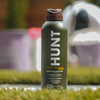
Many hunters choose HUNT Refined Repellent for late season and winter use because it is DEET free, scent free, and designed for outdoor performance. Its picaridin based formula provides long lasting protection against ticks without damaging gear or interfering with scent control. HUNT dries clean and stays comfortable on skin, making it easy to keep in your pack year round.
Cold Weather Does Not Mean Tick Free
Ticks do not follow the calendar. As long as temperatures fluctuate and outdoor activity continues, tick exposure remains possible. Staying informed and prepared allows hunters to focus on time in the woods instead of worrying about pests.
-
Posted in
Deet Free, Hunting, hunting bug spray, Insect Repellent, Scent Free