Why DEET Isn’t Always the Best Choice for Hunters

For decades, DEET has been the standard ingredient in insect repellents. Many hunters grew up using it without giving it much thought. Spray it on, deal with the smell, and hope it keeps the bugs away long enough to finish the hunt. But as more hunters spend long hours in the outdoors questions around comfort, scent control, and gear safety have made DEET less appealing than it once was.
Bug protection is essential, especially in Louisiana where mosquitoes and ticks remain active well into fall and winter. The issue is not whether to use repellent. It is whether the repellent you use works with your hunt or against it.
Strong smells and scent control do not mix
One of the biggest drawbacks of DEET for hunters is its odor. DEET has a sharp chemical scent that lingers on skin and clothing. While humans may stop noticing it after a while, wildlife does not. Deer, waterfowl, and other game rely heavily on scent to detect danger, and introducing a strong foreign odor into the woods can work against careful scent control practices.
Many hunters go to great lengths to wash clothing, store gear properly, and limit human scent, only to undo that effort with a repellent that announces their presence.
DEET can damage hunting gear
Another concern with DEET is how it interacts with equipment. DEET is known to break down plastics, synthetic fabrics, rubber, and certain finishes. That includes items hunters rely on every season like firearm stocks, binocular housings, rangefinders, watch bands, and backpack straps.
Repeated exposure can leave gear sticky, cloudy, or weakened over time. For hunters who invest in quality equipment, that kind of damage adds up.
Skin comfort matters on long hunts
Hunts often mean hours of exposure, sometimes in heat, humidity, or layered clothing. DEET can feel greasy on the skin and may cause irritation for some people, especially with repeated use. That discomfort becomes more noticeable during long sits in a stand or blind when there is no chance to reapply or wash off residue.
A repellent should protect without becoming another distraction.
Modern alternatives offer a better balance
Today, hunters have more options than ever. Picaridin-based repellents offer effective protection against mosquitoes and ticks without the harsh scent or gear damage associated with DEET. These formulas are designed to dry clean on the skin and remain effective for extended periods, making them better suited for long days outdoors.
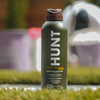
HUNT Refined Repellent was created with hunters in mind. It is DEET free, scent free, and safe for skin, firearms, and synthetic gear. It provides long-lasting protection without leaving behind a chemical cloud that can spook game or compromise your setup.
Choosing the right protection for the hunt
Bug control should support your hunt, not interfere with it. While DEET may still have a place in certain situations, it is not always the best choice for hunters who care about scent control, gear longevity, and comfort in the field.
Choosing a repellent that aligns with how you hunt allows you to focus on what matters most. The wind, the movement, and the moment when everything comes together.
-
Posted in
Deet, Deet Free, Gun Safe, Hunting, Insect Repellent, Metal Safe, Mosquito control, Mosquito Repellent, Mosquito spray, Safe Alternative, Scent Free, Skin